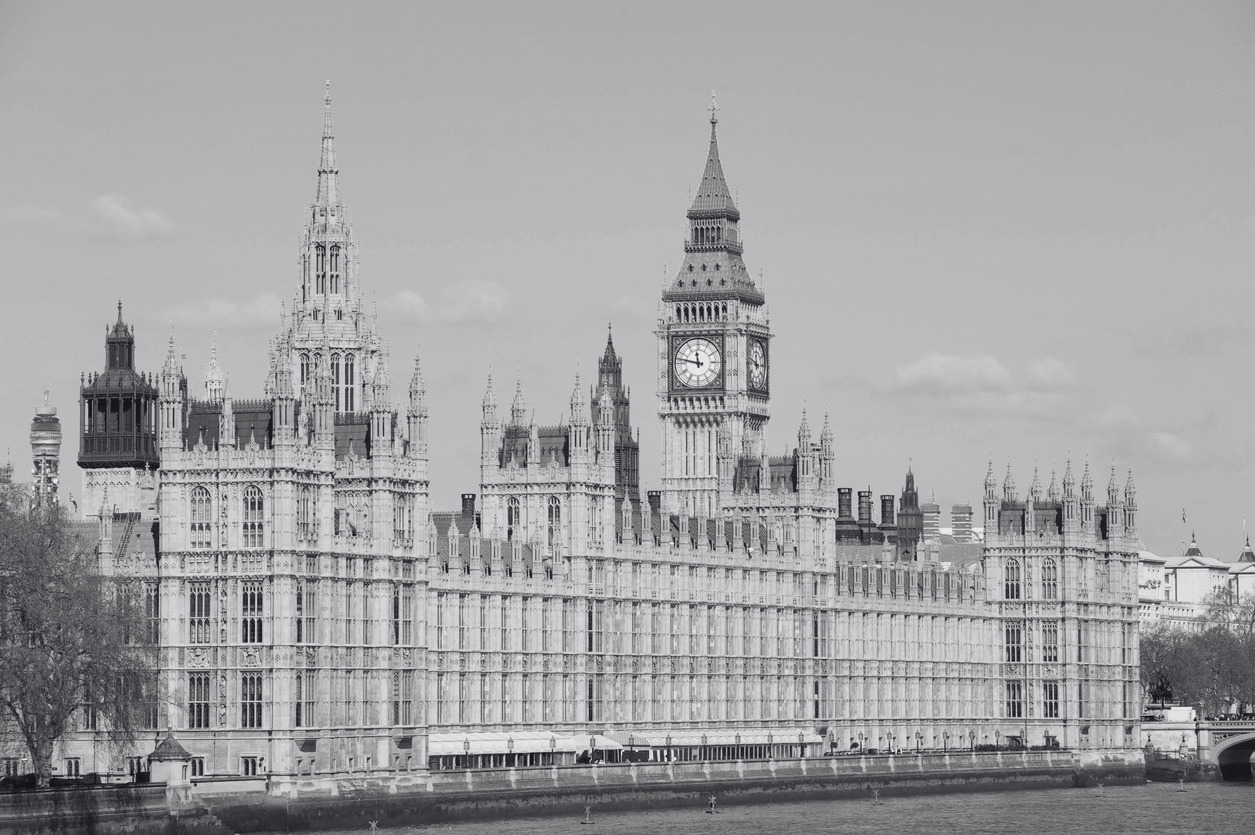

At the State Opening of Parliament on 13 May 2026, the King’s Speech set out the Government’s new legislative programme for the 2026-2027 session. Running parallel to the distracting political theatre of leadership challenges to the Prime Minister, the King unveiled the new programme of proposed Government legislation.
This article gives an overview of the contents of the King’s speech and highlights a selection of the featured Government Bills. As expected, the programme includes several Carry over Bills (Bills from the last session), including the Public Office (Accountability) Bill. Noticeably absent is the Diego Garcia Military Base and British Indian Ocean Territory Bill, which fell at the end of the last session.
Newly Introduced Bills
Of particular interest of the newly announced Bills are the following: the European Partnership Bill, the Removal of Peerages Bill, the Energy Independence Bill, the Nuclear Regulation Bill, and the National Security Bill.
The European Partnership Bill will provide a framework of powers to ensure agreements with the EU can be implemented now and in the future. It is not yet clear how that will interact with and amend the Constitutional Reform and Governance Act 2010, in relation to the domestic implementation of relevant international commitments. The Bill will apply to any new treaties agreed with the EU. The Government offers reassurance that those powers will only be used following Parliamentary approval for any new treaties.
The National Security Bill will create new offences to protect the UK from the proliferation of extreme violence online, amend existing legislation to reform the cyber landscape, and reform state threats legislation, to align it better with terrorism legislation. This is reflected in comments made by Lord Anderson of Ipswich KBE KC, in his previous role as Interim Independent Prevent Commissioner; “while terrorism is often presented as a uniquely serious threat, crimes falling outside its definition can bear many of its hallmarks…”
Highly topical is the Removal of Peerages Bill that will finally introduce a new mechanism for removing peerages from disgraced peers, avoiding the need to introduce tailored legislation for every individual case.
Also announced is the Highways (Financing) Bill that will introduce a new financing approach to fund large-scale road schemes, enabling the delivery of schemes through private investment. The Lower Thames Crossing is expected to be the first road scheme to use the model.
Applying to England only, the Bill will include provisions to:
- Introduce a licence regime to allow private companies to deliver key road schemes to improve the road network;
- Name an independent regulator to provide oversight of the new regime; and
- Introduce backstop measures to protect vital publicly used assets managed under the model.
Some of the Bills may not be published yet, but the King’s Speech 2026 Bill Briefing provides an outline of the expected key provisions of each Bill.
The Public Office (Accountability) Bill
The Public Office (Accountability) Bill will re-commence with Commons Report stage. The date has not yet been scheduled. Following opposition to the original legal exemptions from the duty of candour and assistance for the intelligence and security services, the Government tabled a partial concessionary amendment before the end of the last session. This gives effect to a moderate policy change.
Originally published on 14 April, the new Government amendments will render the duty of candour and assistance applicable to a person who works for an intelligence service, provided the consent of the head of their service is obtained. The amendments clarify that the duty of candour and assistance will apply to persons working for the intelligence services in the same way as that duty applies to other public officials, subject to certain safeguards.
It may also reassure opponents that a new Government amendment clarifies that the provisions dealing with the duty of candour in relation to inquiries and investigations will not affect the common law evidence rules relating to public interest immunity claims. Further, the amendment clarifies that decisions taken under clause 6, (how the duty of candour and assistance applies to security and intelligence information), may be challenged on judicial review. The purpose of the amendment is to allay concerns that the Government was intending to oust judicial review of these decisions.
Those Government concessions and clarifications may remove some criticism of the Bill that temporarily stalled the Bill’s progress in the last session. The ‘Hillsborough Law’ Bill is expected to become law later in 2026.
Concluding Remarks
The King’s Speech always concludes with the same words from the Monarch; “I pray that the blessing of Almighty God may rest upon your counsels.” Regardless of one’s non-religious or other beliefs, the words act as a reminder of the import and gravity of the responsibility placed upon Members of Parliament, when debating the laws of this country, inviting them to examine their motivations and the need to act in the national interest.
Full Government Programme of Legislation
Below is a full list of the Bills that will be introduced in this new session. The Government may announce additional Bills at a later stage, in response to unexpected national or global events:
- Civil Aviation Bill
- Clean Water Bill
- Commonhold and Leasehold Reform Bill
- Competition Reform Bill
- Digital Access to Services Bill
- Education for All Bill
- Electricity Generator Levy Bill
- Energy Independence Bill
- Enhancing Financial Services Bill
- European Partnership Bill
- Highways (Financing) Bill
- Immigration and Asylum Bill
- National Security Bill
- Health Bill
- Nuclear Regulation Bill
- Overnight Visitor Levy Bill
- Police Reform Bill
- Regulating for Growth Bill
- Remediation Bill
- Removal of Peerages Bill
- Small Business Protections (Late Payments) Bill
- Social Housing Bill
- Sovereign Grant Bill
- Sporting Events Bill
- Steel Industry (Nationalisation) Bill
- Tackling State Threats Bill
The following Bills have been carried over from the first session of this Parliament and will now resume their legislative journey:
- Armed Forces Bill
- Courts and Tribunals Bill
- Cyber Security and Resilience (Network and Information Systems) Bill
- Northern Ireland Troubles Bill
- Northern Powerhouse Rail Bill (formal title is the High-Speed Rail (Crewe – Manchester) Bill)
- Public Office (Accountability) Bill
- Railways Bill
- Representation of the People Bill